CIHS – Centre for Integrated and Holistic Studies

Date/Time:

Pahalgam Attack: Hypocrisy, Silence, and Truth

Pahalgam Attack: Hypocrisy, Silence, and Truth

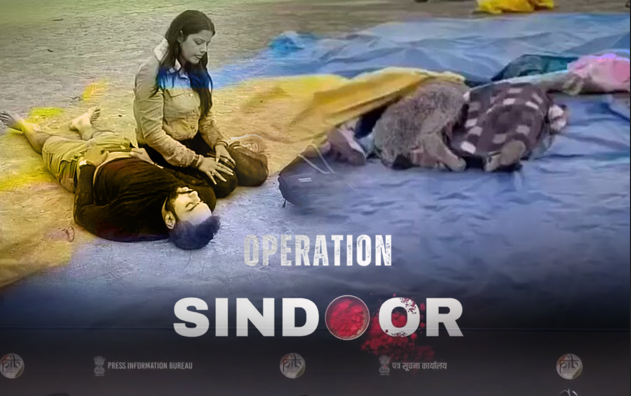
Rohan Giri On April 22, 2025, tourist destination of Pahalgam in Jammu and Kashmir, bore witness to an atrocity that defies human conscience. In a brutal terrorist attack orchestrated by Pakistan-backed terrorist groups, 26 Hindu tourists were singled out based on their faith and mercilessly executed. Their only ‘crime’ was being Hindu. Global media outlets rushed to distort the truth rather than mourning the victims or condemning the clear religious hatred behind the massacre. Reuters, BBC, New York Times, Al Jazeera, CNN, and others showcased once again the alarming moral bankruptcy within sections of international journalism deliberately downplaying religious targeting, sanitizing terrorists as “militants,” and portraying the blood-soaked valley through the lens of “Indian-administered Kashmir,” thus questioning India’s very sovereignty. This selective empathy, this sanitized barbarism, this intellectual dishonesty stands exposed. Pahalgam attack was not an isolated incident. It was the continuation of an ideological war against India’s civilizational essence. Pakistan’s military leadership has been candid about this. At the passing-out parade on April 16, 2025, at Pakistan Military Academy, Kakul, Pakistan’s Chief of Army Staff General Asim Munir brazenly declared: “The two-nation theory was based on the fundamental belief that Muslims and Hindus are two separate nations, not one. Muslims are distinct from Hindus in all aspects of life, religion, customs, traditions, thinking, and aspirations.” This ideological rigidity the very cancer that partitioned the Indian subcontinent continues to fuel terrorism, hatred, and separatism even today. Munir’s public reaffirmation of the two-nation theory is not just a historical reference; it is an active justification for ongoing violence in Kashmir. In parallel, at a rally organized by Lashkar-e-Taiba in Rawalkot on April 18, 2025,  to pay tribute to two terrorists, Akif Haleem and Abdul Wahab, JKUM/LeT commander Abu Musa threatened openly: “Jihad will continue, guns will rage, and beheading will continue in Kashmir. India wants to change the demography of Kashmir by giving domicile certificates to non-locals, and we will not let this happen.” Such public incitements to murder, terrorism, and ethnic cleansing are treated by Western media either as footnotes or are conveniently omitted altogether. The narrative of “demographic change” itself is a cruel inversion of reality.  The so-called “domicile certificates” that the Government of India grants are not tools of colonization, but instruments of justice, meant to reintegrate indigenous Hindu communities Kashmir is not a no-man’s land. It is the ancient land of Kashyap Rishi, one of the holiest sites of the Indic civilization. Restoration of native communities into their rightful homeland is a moral imperative, not an act of aggression. The Hindu American Foundation (HAF) issued a scathing critique of international media complicity.  In a powerful statement, HAF’s Executive Director summarized the media betrayal: “On April 22, 2025, the worst civilian terror attack in Kashmir since 2008 unfolded. 26 Hindu tourists were executed. Yet if you look at headlines from New York Times, Washington Post, CNN, BBC, Reuters, and AP you wouldn’t even know Hindus were targeted.  They downplay terrorism. Sanitize it. Hide the victims’ religious identities. Call terrorists ‘militants.’ This isn’t just tragic storytelling, it’s deliberate erasure.” This is not a mere reporting error. It is a systemic ideological bias that minimizes Hindu suffering and perpetuates anti-India stereotypes under the garb of neutrality. Terms like “Indian-administered Kashmir,” “militants,” and “tensions” dilute the reality of Pakistan-sponsored jihadist terror and instead, subtly vilify the Indian state. Would any Western media outlet ever call ISIS terrorists “militants”? Would they ever describe 9/11 attackers as “gunmen”?  Why then, when Hindu civilians are massacred, do standards suddenly change? The answer lies in a toxic cocktail of post-colonial condescension, ideological ignorance, and sheer intellectual dishonesty. This time, however, the narrative war met fierce resistance.  The global Indian diaspora an economic, academic, and cultural powerhouse rose in unprecedented solidarity. From Federation Square in Melbourne to Pakistan High Commission in London, from Copenhagen to Kathmandu, from Paris to Zurich to Helsinki, and across North America from Brampton to New York, Indians staged massive protests demanding justice for the victims. In Frankfurt, more than 300 Indian community members gathered at Central Railway Station, marching to Dom Romer, holding placards, chanting slogans against terrorism, and sending a strong message to the global conscience: Truth will not be silenced. This global mobilization was not spontaneous rage it was righteous anger forged over decades of media erasure, diplomatic duplicity, and institutional gaslighting. Indian expatriates—scientists, CEOs, artists, and teachers have realized that silence only emboldens lies.  From Zurich to Auckland, their unified cry reverberated: Stop justifying terror. Stop dehumanizing Hindu victims. Kashmir must be understood not as a “disputed territory” between two states but as a living civilizational landscape. It is a land where Adi Shankaracharya revived Sanatana Dharma atop the Shankaracharya Hill, where Shaivism blossomed into philosophical sophistication, where Sufi saints preached syncretism. It is not a medieval battleground between empires but an eternal testimony to India’s pluralistic ethos. The terror attacks and false narratives seek to destroy this rich civilizational memory. And that is precisely why India’s actions to secure, stabilize, and culturally revive Jammu and Kashmir are not just acts of national policy but acts of civilizational preservation. Every attempt to portray Jammu and Kashmir as “disputed,” every attempt to vilify the domiciles, is an assault on truth itself. Domicile for those historically belonging to Kashmir is not “changing demography” it is correcting injustice. Pakistan’s rhetoric about demography rings hollow in contrast to its own colonization of Gilgit-Baltistan, its demographic suppression of Balochistan, and its apartheid-like persecution of minorities. It’s time the world recognises this double standard. It is time for India to call out, with measured but firm diplomacy, the duplicity of global actors. Global Indian community’s anger is righteous. It is not the anger of vengeance, but of justice denied, victims forgotten, and narratives hijacked. The world ignored exodus in 1990 when Hindus were driven out in hundreds of thousands from their homes, Wandhama Massacre, Sikh Massacre in Chattisinghpora to name a few. It must not ignore Pahalgam 2025. History will not be kind

Read More

Brief on Baisaran Terrorist Attack – April 22, 2025

At approximately 2:30 PM on April 22, 2025, a group of terrorists opened indiscriminate fire on tourists at Baisaran meadow, some 6 km from the tourist town of Pahalgam in Anantnag district, Jammu & Kashmir. The Pakistan backed islamist terrorists exploited dense forest bordering the meadow to launch a deadly ambush on innocent tourists enjoying pony rides and foot tours of the so called ”Mini-Switzerland” claiming more than 26 lives and injuring 17 others. Our brief explains the deadly terrorist attack.

Read More
Balochi Struggle Hits a Milestone!

Balochi Struggle Hits a Milestone!

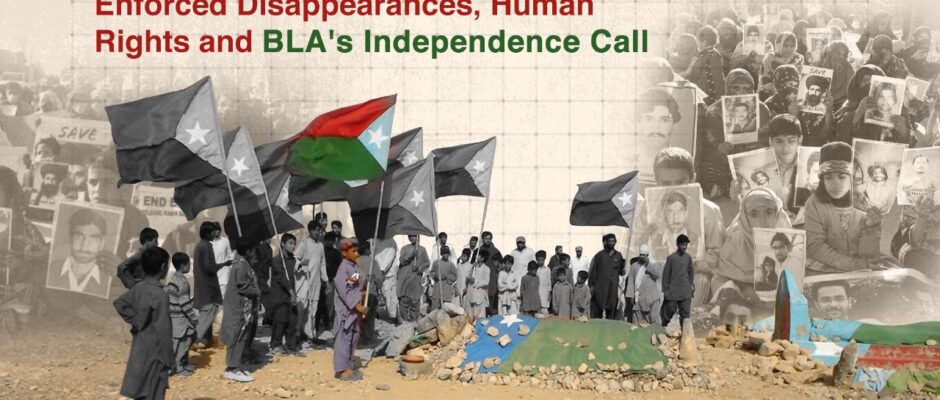
Balochi fighters under BRAS with centralized military command pose significant challenges to both Pakistan, China. Rohan Giri & Dr. Shailendra Pathak Given continued rejection of their rights, how long can one ignore Balochis’ call for justice? Balochistan has a long history of identity crisis and struggle for Balochis’ rights that are closely entwined. For decades in continuum, Balochi population suffered political marginalization, financial difficulties and cruel suppression of their dreams. Evolving Balochi resistance marks a significant shift in this long-lasting conflict, potentially influencing the region’s political dynamics and bringing the ongoing suffering to the forefront of global attention. An alliance of Baloch fighters, Baloch Raji Aajoi Sangar (BRAS) has revealed a major re-organisation, bringing several factions under one centralized military command. This stage marks an ideological unity of all forces not limited to just military plan of action. BRAS have plans for strengthening its position in response to challenges in the area by moving from broken guerrilla tactics to methodical and coordinated armed operation. A thorough and orderly military force produced by this reorganisation would provide the foundation for a “Baloch National Army.” Under a common strategic framework, this reform seeks to unite leaders and activists from all factions, thereby strengthening a more powerful and long-lasting resistance. Immediate consequences of this re-organization are severe. For Pakistan, it presents a protracted and strong opposition with significant challenges in implementing its military and economic agenda. For instance, stability is essential to China’s investments in forced occupation area under China-Pakistan Economic Corridor (CPEC). On the parallel, BRAS declaration raises questions on security of CPEC projects. Regrouping of Balochi fighters, highlights a battle, often overlooked, that significantly impacts regional stability. The conflict in itself is shaped by long history of disputed sovereignty and political unrest. Balochistan which comprises four former princely states of Kharan, Makaran, Las Bela and Kalat was declared an independent state along with India and Pakistan. During partition, princely kingdoms had the freedom to remain independent, join India or align with Pakistan. Khan of Kalat, Mir Ahmed Yar Khan chose to be independent while three others chose to be with Pakistan. Pakistan objected to this proclamation, nevertheless, which set off several forceful policies. By unilaterally declaring accession of Kharan, Makaran and Las Bela in March 1948, Muhammad Ali Jinnah isolated Kalat and drove its ultimate integration into Islamic Republic of Pakistan. With political persecution, economic marginalization and breaches of human rights defining Balochi struggle, this controversial union set the stage for fresh challenges. Balochistan boasts of immense natural resources while its people live in extreme poverty. Pakistan’s businesses have been powered for decades by the Sui gas field of Dera Bugti. But, unfortunately most Baloch houses still cook on woodfire. Reko Diq mines in Chagai district have large copper and gold deposits, but only international companies and Islamabad gain from them leaving Balochi people impoverished. Balochistan’s enforced economic structure has long been a cause of conflict since failures in equitable distribution of resources. BRAS seek to highlight its struggles against what it regards as economic marginalization. The effort includes halting highways, targeting infrastructure associated with CPEC and advocating for Balochi sovereignty over resources. Linked with long-standing demand for nondiscriminatory development, the revolt now has an economic aspect in addition to a fight for political acceptance. Under BRAS, establishment of a Baloch armed force could offer a mechanism for strategic action that has the potential for tipping the regional power balance. Immediately after BRAS declared its restructuring, Balochi fighters burst into a breathtaking display of force. A significant ally in BRAS, Balochistan Liberation Army (BLA) hijacked Jaffar Express train in Balochistan on March 11, 2025 carrying about 500 people. In a shootout, Baloch fighters killed at least 20 persons and kidnapped about 182 allegedly military and police personnel, blowing up the tracks. The BLA had issued an ultimatum threatening to execute hostages if their demands were unfulfilled. Pakistani government backed by Chinese powers that be responded with military action, resulting in continued confrontations. Hijacking the Jaffar Express was seen as direct reaction to official persecution and forced disappearances which had destroyed Baloch towns over decades. The Jaffar Express hijacking proved BRAS capacity for large-scale, well-coordinated operations and flashed a considerable rise in opposition activity. Balochistan still struggles with major human rights abuses and forced disappearances top the list of concerns. Human rights groups say thousands of Balochi men, students, activists and political workers have vanished over time. Human Rights Council of Balochistan (HRCB) reported that in February 2025, they recorded 144 cases of forced disappearances. Out of these, one person was reported dead, 102 remained untraced and 41 have come back. On top of that, 46 people lost their lives including some who were killed without a fair trial. They’ve identified 40 of these victims but six remain unknown. There is a substantial human cost associated with these disappearances. Families march thousands of kilometres in search of missing near and dear ones, carry images of their lost loved ones. Though demand for responsibility and openness is growing, international community’s intervention in yet to gain momentum. On the other hand, BRAS has continued with its struggle for rights and respect. Balochistan’s battle is not a lonely endeavour. It is entwined with regional and global issues. Seeing Baloch nationalism as a constant security issue, Pakistan has deployed strong militarism and intelligence operations to limit the uprising. Balochistan is seen by China as a component of its larger strategic objective with projects like Gwadar Port through its Belt and Road Initiative having enormous financial value. Nonetheless, BRAS’s most recent activities suggest a continuous risk to regional stability. BRAS have time and again expressed concerns about foreign investments that do not benefit local communities. If the alliance increases frequency of disruptions to CPEC projects, there could be more security issues. China has asked Islamabad to ensure protection of its interests in the wake of infrastructure attacks. The evolving conditions present a challenging chore for all relevant stakeholders. Grave situation in Balochistan receives very little international

Read More
Demolishing the Dawn’s Deception

Demolishing Dawn’s Deception

Rohan Giri Dawn.com, the Pakistani news outlet that hosts Naqvi’s fabrications, has a long history of anti-Indian prejudice, regularly publishing articles that undermine Indian sovereignty and national interests. While it claims to support democracy, it rarely, if ever, scrutinizes Pakistan’s establishment with the same zeal as it does India. The hypocrisy is apparent. It is a journal that thrives on manufactured frustration with India while deliberately avoiding the dictatorial reality of its country. Jawed Naqvi’s most recent piece in The Dawn, “India’s left-right centenary,” is another example of selective indignation and intellectual dishonesty. It is deliberately written to support the myth that Rashtriya Swayamsevak Sangh (RSS) is the face of fascism in India. In his distinctive manner, Naqvi weaves together hypocritical historical allusions, ideological prejudices, and plain lies to create a story that has been disproven time and time again but is still promoted by those who are unwilling to confront except facts. In addition to criticizing RSS, his piece highlights the larger intellectual squalor that plagues segments of the Indian left and its supporters abroad. Exposing his distortions is not only necessary but also morally required since, if allowed unchecked, lying takes on the appearance of reality. Naqvi’s argument’s basic tenet is a sloppy and false analogy between RSS and European fascism. It reveals a basic misinterpretation—possibly deliberate—of fascism as well as the intellectual and historical foundations of RSS. RSS has never aspired to be an authoritarian entity, in contrast to Hitler’s racial superiority or Mussolini’s corporatist state. It continued to be a sociocultural movement dedicated to self-reliance, national cohesion, and a continuation of civilization. The alleged similarities to European fascism are merely rhetorical instruments employed by people who wish to discredit the movement without actually participating in its activities. The irrationality of this accusation is further demonstrated by the fact that RSS has never supported racial supremacy, a one-party system, or a dictatorship—all of which are fundamental elements of fascism. Decentralization of authority, community-driven governance, and cultural revival—values that are directly in conflict with the core of fascist ideology—have, if anything, always been at the heart of RSS’s priorities. Naqvi’s assertion that Hitler and Mussolini were the inspiration for RSS is a well-worn fallacy that has been repeatedly disproved but is still brought up by individuals with political frustrations. The accusations are the result of selectively misinterpreting words made by specific people while disregarding the broader context. Distorting historical facts to suit a convenient political narrative is the height of intellectual dishonesty. Unlike the Communist parties, which notoriously followed the Soviet line even at the expense of national interests, the RSS has no history of working with colonial or imperialist regimes. In 1942, the Communists fiercely opposed the Quit India Movement, calling it “subversive,” at the direction of their bosses in Beijing and Moscow. They weakened the quest for independence, whereas RSS struggled diligently at the grassroots level to foster cultural awareness and a sense of pride in the country. If the study of treachery is the goal, then the Communist parties—not RSS—need to be examined. Communists teaching about nationalism is blatantly ironic. Communists were involved in violent uprisings, such as the Telangana Rebellion, which aimed to impose a Soviet-style revolution in India, while the RSS was working to unite the nation. Naqvi romanticizes this uprising as a noble peasant battle, but in reality, it was a violent and terrifying war. Under the guise of “revolution,” the Communist objective has always been to sow disarray, erode democratic institutions, and open the door for authoritarian control. It should come as no surprise that democracy has always suffered the most when Communists have taken control, whether in North Korea, the USSR, or Maoist China. The people’s rejection of their outdated, foreign-imposed ideology is what is causing their electoral downfall in India, not any alleged “fascist” repression. Naqvi’s attempts to demonize the RSS and cover up the wrongdoings of Indian Communists are blatant examples of selective amnesia. The CPI’s record is marked by obvious blemishes, including its ideological subservience to foreign powers, its unwillingness to support the 1962 war effort against China, and its vacillations on important national challenges. On the other hand, RSS has supported Indian army in needs, increased disaster relief, and supported national defense. These are not theoretical claims; they are demonstrable realities. Naqvi, however, avoids them out of convenience since they contradict his rhetoric. It is a flagrant fabrication to say that RSS and its inspired individuals were “apologists for colonialism.” The Communist leadership frequently undermined nationalist initiatives and remained ambivalent about India’s independence. While RSS karyakartas were actively involved in opposing British rule. The goal of the RSS was to create a robust, independent society that could fend off colonial domination on all fronts—politically, culturally, and economically. The Communist concern with quick and frequently violent upheavals was always in conflict with these long-term objectives. If we look at Jawed Naqvi explicitly, his history of anti-Hindu and anti-Indian hatred is well known. His publications frequently echo the talking points of Pakistan’s official narratives, raising doubts about his integrity, ethics and journalism. His previous pieces, such as “Hindutva Terrorism: Another View” and “The Crooked Timber of Modi’s India,” all follow the same formula: they show Muslims as unforgiving victims, Hindus as aggressors, and India as a country on the verge of collapse. The outrage is blatantly selective. He highlights every perceived or actual weakness in India’s democracy, but he says nothing about Pakistan’s deep state, its persecution of minorities, or its decline into political and economic catastrophe. Naqvi’s most recent article is not a rare occurrence; rather, it is a component of a larger trend—a network of authors and journals that want to discredit India’s revival of civilization by calling it “fascist.” A typical example of projection is this one. Extremist Islamism and Communism, I call that Islamo-leftist, the exact ideologies Naqvi espouses, have committed some of the most horrific crimes in recorded history. More than 100 million people have died as a result of communism worldwide, and extremist Islamist beliefs have sunk entire

Read More
The Case Against Tahawwur Hussain Rana

The Case Against Tahawwur Hussain Rana

Rahul Pawa Mumbai terrorist attacks, carried out between November 26 and 29, 2008, targeted prominent locations, including the Taj Mahal Palace Hotel, Chhatrapati Shivaji Maharaj Terminus, and Nariman House. The attacks exposed the Pakistan Army’s use of asymmetrical warfare through terrorism and sparked international outrage. The United Nations-proscribed Pakistan-based terror organization Lashkar-e-Taiba orchestrated the assault, utilising reconnaissance conducted by David Coleman Headley, a Pakistani origin American terrorist and agent. Headley’s work was supported by Tahawwur Hussain Rana, who used his immigration consultancy as a front for surveillance activities. Rana, a former officer in the Pakistani Army, fled to the United States after deserting his post and later established an immigration consultancy in Chicago. Rana and David Coleman Headley, whose birth name is Daood Gilani, were childhood friends. This longstanding relationship formed the foundation of their collaboration in Lashkar-e-Taiba’s operations. Headley, an American citizen who became a radicalised terrorist, leveraged Rana’s connections with the Pakistan Army and its spy agency, Inter-Services Intelligence (ISI), to carry out reconnaissance missions in Mumbai. Headley’s dual role as an informer and an operative added complexity to the case. Rana, a Canadian citizen, was implicated as a facilitator who allowed Headley to use his immigration consultancy business as a front to secure visas and establish a cover in Mumbai. This association positioned both individuals as key conspirators—Rana as a Canadian terrorist and Headley as an American terrorist—in one of the most devastating attacks in modern Indian history. In 2011, Rana was tried in the United States District Court for the Northern District of Illinois on charges of conspiracy to provide material support to terrorism in India and a terror plot in Denmark and providing material support to a Pakistan based designated terrorist organization, Lashkar-e-Taiba. The jury acquitted him of charges related to the Mumbai attacks but convicted him on charges concerning the Denmark plot and material support to Lashkar-e-Taiba. Rana was sentenced to 14 years in prison, serving seven years before being granted compassionate release during the COVID-19 pandemic. India’s push for Rana escalated in December 2019 when it submitted a diplomatic note to the United States seeking his extradition. The charges outlined included conspiracy to wage war, commit murder, and carry out terrorist acts, alongside forgery and using falsified documents—offenses under India’s Penal Code and the Unlawful Activities (Prevention) Act. On May 16, 2023, a U.S. magistrate judge certified Rana’s extradition, rejecting his arguments under the Non Bis in Idem principle (double jeopardy) and affirming probable cause. Central to Rana’s defense was the claim that his extradition violated Article 6 of the 1997 U.S.-India Extradition Treaty. The principle prohibits extradition if the individual has been convicted or acquitted in the requested state for the same offence. Rana’s defense argued that the Indian charges overlapped with those addressed in his U.S. trial. However, the U.S. courts adopted an “elements-based” approach, analysing whether the legal elements of the Indian charges differed from those tried in the U.S. The Ninth Circuit emphasised the distinction between “offence” and “acts,” concluding that India’s charges involved unique elements, such as forgery related to the Reserve Bank of India application, which were not addressed in the U.S. proceedings. This interpretation aligned with prior jurisprudence, including Zhenli Ye Gon v. Holt, which distinguished between conduct and elements of a crime under treaty law. While India’s extradition request relied heavily on the testimony of David Headley, a self-confessed operative of Lashkar-e-Taiba. Rana’s defense attacked Headley’s credibility, citing his criminal background, ties to Pakistan’s ISI, and alleged manipulative tendencies. Nonetheless, the courts adhered to the limited scope of habeas corpus review in extradition cases, focusing solely on whether there was “any competent evidence” to support probable cause. The Ninth Circuit ruled that Headley’s testimony, corroborated by documentary evidence, met the requisite standard. On January 21, 2025, the U.S. Supreme Court dismissed Rana’s petition for a writ of certiorari, marking the end of his legal battle against extradition. The denial upheld lower court rulings and reinforced the interpretation of the extradition treaty. U.S. Solicitor General Elizabeth Prelogar’s arguments played a pivotal role, highlighting that not all conduct underlying India’s charges was addressed in the U.S. trial, such as forgery-related offenses. For survivors and families of the 26/11 victims, Rana’s extradition symbolises a step toward justice. The attacks remain etched in India’s collective memory, and prosecuting those responsible—regardless of nationality—affirms the principle that terrorism knows no borders. Rana’s extradition also underscores the role of diplomacy in resolving complex legal cases. The US administration’s backing of India’s request reflects broader strategic ties between the two nations. Such cooperation sets a precedent for future extraditions in cases of global significance. The case against Tahawwur Hussain Rana exemplifies the interplay of law, geopolitics, and counter-terrorism. It highlights the challenges of prosecuting transnational crimes while adhering to principles of justice and treaty law. By affirming Rana’s extradition, the U.S. judiciary has reinforced the efficacy of extradition treaties as tools of international law, signalling that perpetrators of terrorism will face accountability, irrespective of borders. The case also serves as a poignant reminder of the enduring impact of the Pakistan Army and ISI backed Mumbai attacks and the global commitment required to combat terrorism, especially emanating from Pakistan. (Author is Research Director at Centre for Integrated and Holistic Studies, New Delhi based non-partisan think-tank)

Read More

Hindu Genocide Unfolding in Bangladesh

The situation in Bangladesh has reached a critical and alarming juncture, with a systematic and coordinated campaign targeting the Hindu community through acts of violence, destruction, and terror. This genocide, characterized by the deliberate annihilation of Hindu religious and cultural sites, as well as the targeted killings and displacement of individuals, poses an existential threat to the Hindu population in Bangladesh. The interim government must act with urgency and decisiveness: deploying security forces to protect vulnerable communities, ensuring justice through swift prosecution of those responsible, and initiating a comprehensive restoration of destroyed religious and cultural heritage. Moreover, the government must engage with international bodies to secure support and demonstrate a commitment to protecting all citizens, ensuring that such atrocities never occur again. Immediate action is not only a moral imperative but also crucial for the preservation of Bangladesh’s core fabric. Updated – Hindu Genocide Unfolding in Bangladesh

Read More

Lessons from Kargil Ignited India’s Defense Revolution

Rahul Pawa Under PM Modi’s leadership, lessons from Kargil have driven significant reforms in military, intelligence, border security, and indigenous manufacturing, ensuring a more resilient and self-reliant India. In the summer of 1999, several high-altitude regions of Ladakh, including Mushkoh Valley, Dras, Kargil, Batalik, Chorbat La, and Turtuk, became the epicentres of a fierce battle between India and Pakistan. What began as a surprising discovery of armed intruders on the Indian side of the Line of Control (LOC) swiftly escalated into a full-blown military standoff. Initially mistaken for insurgents, these infiltrators were soon identified as regular soldiers of the Pakistan Army in disguise. The ensuing hostilities, fraught with the threat of nuclear escalation, lasted for eleven tense weeks. The limited war-like standoff finally drew to a close on July 26, 1999, when India thwarted the intruders and won the war. Now, 25 years later, as India marks the anniversary of its resolute campaign to defend its motherland, the nation pays tribute to the 527 martyrs and over 1,100 wounded. However, this anniversary also serves as a catalyst for a new national security paradigm, shaped by the lessons learned on the battlefield. Even before the dust had settled on the graves of Pakistani soldiers in the highest reaches of the Himalayas—soldiers whom the Pakistan Army and their Islamic Republic refused to acknowledge—New Delhi, under the leadership of Prime Minister Atal Bihari Vajpayee, planned a thorough investigation into the events leading up to and during the standoff. Within three days of the victory in Ladakh, the Indian government began “to examine the sequence of events and make recommendations for the future” by formally setting up the Kargil Review Committee (KRC). The committee, chaired by K. Subrahmanyam and including Lt. Gen. K.K. Hazari, B.G. Verghese, Satish Chandra, and National Security Advisor Brajesh Mishra, formally submitted is report on December 15, 1999, merely 5 months after a hard earned victory. Based on over a hundred interviews with senior military personnel, diplomats, intelligence officers, journalists, and politicians, the report offered recommendations on border management, civil–military liaison, counter-terrorist operations, defense budget and modernisation, LOC policy, nuclear policy, intelligence, media relations, the National Security Council, national security management, and technology. This year, in a speech delivered in Dras, Ladakh, during the 25th Kargil Vijay Diwas, Prime Minister Narendra Modi highlighted the strategic importance of the Agnipath scheme, drawing from the lessons of the 1999 battles in Ladakh. The initiative aims to revitalise the army by reducing the average age of its personnel through a four-year enlistment of young recruits, thus infusing the force with fresh energy and technical skills. An approach recommended in the KRC, which advocated for maintaining a youthful and fit army. Yet, this marks only the beginning of a broader wave of strategic, technical, and policy shifts inspired by the KRC’s findings and recommendations, with some measures already in place and others still underway. As part of the KRC’s robust recommendations for reform and modernisation, the Indian military embarked on extensive structural changes. This led to the appointment of the first Chief of Defence Staff (CDS), a position filled by General Bipin Rawat on December 24, 2019, under the PM Modi-led NDA government after two decades of deliberation. Aligned with the KRC recommendations, the Indian military underwent extensive modernisation and structural reforms. This included the creation of several tri-services organizations to enhance coordination and efficiency. Notably, the Integrated Defence Staff, Andaman and Nicobar Command, Nuclear Command Authority, Strategic Forces Command, and the Department of Ex-servicemen Welfare were established. Additionally, the Defence Technology Council and the Defence Acquisition Council were created to streamline technological advancements and procurement processes, reflecting the KRC’s emphasis on comprehensive technical reforms. Additionally, the Kargil Review Committee’s recommendations led to significant upgrades in border infrastructure and intelligence, addressing key issues revealed during the 1998-1999 Pakistani infiltration. Under National Security Advisor Ajit Doval, the establishment of the Multi-Agency Centre (MAC) and the Joint Task Force on Intelligence (JTFI) enhanced coordination. New airstrips and advanced landing grounds were developed to counter potential threats from China and Pakistan, significantly improving border security and readiness. Enhancing military preparedness has been another critical area significantly improved by the KRC’s findings and recommendations. Under the leadership of PM Modi and the NDA government, the adoption of advanced technologies, such as Chinook helicopters and upgraded airstrips, has notably boosted rapid force deployment capabilities. These advancements ensure that the Indian military can respond swiftly and effectively to threats. The success of Uri surgical strikes, Balakot Air strikes and decisive responses to People’s liberation Army (PLA) aggression in regions like Galwan and Pangong Tso further highlight India’s heightened state of readiness and strategic agility, demonstrating a robust defense posture that aligns with the KRC’s vision for a more secure and responsive military framework. In a fast-evolving globalised world, challenges like the ongoing Ukraine conflict and the escalating threat from Communist Party of China (CPC) showcase the need for a robust, indigenous defense supply chain. This necessity was also highlighted in 1999 when the U.S. denied India’s request for GPS data during the 1999 Ladakh aggression by Pakistan, prompting India to develop its own GPS system, the Indian Regional Navigation Satellite System (IRNSS), an autonomous satellite navigation system that provides accurate position information services to users in India and the surrounding region, covering up to 1,500 kilometres beyond India’s borders. Learning from these  lessons, the 2020 “Atmanirbhar Bharat” initiative was launched to reduce reliance on foreign suppliers and foster self-sufficiency in defense production. This ambitious program aims to build a strong domestic defense manufacturing sector, ensuring India can independently meet its military needs. The initiative promotes research and development, encourages public-private partnerships, and incentivises domestic production of critical defense technologies and equipment. In the contemporary landscape, under PM Modi’s leadership, these measures reflect a broader strategic shift towards a more secure and resilient India, aligning with the foresight provided by the KRC report. The Indian government’s commitment to strengthening the nation’s defense capabilities is evident in various initiatives designed to

Read More

China-Pakistan Agenda in Bangladesh Protests

Violent protests by students against job quotas may have been conveniently used by Beijing & Islamabad to further their interests Rahul Pawa China, Pakistan, geo-political interest groups and international stakeholders may have muddied Bangladesh waters. They may have either directly or indirectly contributed to current wave of violent protests that resulted in 130 fatalities. These players may have conveniently used the anger against quotas for government jobs as a cover to stroke flames of dissent against Prime Minister Sheikh Hasina and her Awami League government. The current spate of violent incidents seems to have been triggered by Communist Party of China and Pakistan that have taken an adversarial position and spread discontent against Sheikh Hasina’s government. Protests erupted after Appellate Division of the Supreme Court decided on July 10, 2024 to maintain status quo on quota system intended for freedom fighters and their families for four weeks. This came after a High Court ruled on June 5, 2024 that declared 2018 government circular canceling 30 per cent quota for freedom fighter’s descendants in government jobs illegal. This sparked widespread anger among students and larger population, culminating in violent clashes and a death toll that continued to rise. Students from various universities in Dhaka united to demand quota reforms. After initial postponement owing to Eid and summer holidays, students movement resumed on July 1 with demonstrations. Students and teachers from public universities like University of Dhaka, Rajshahi University of Engineering and Technology and Jahangirnagar University, among others were soon joined by counterparts from private institutions such as North South University and BRAC University. Under the banner of Anti-discrimination Students Movement, they launched ‘Bangla Blockade’ (Bangladesh Shutdown) thereby disrupting domestic train and road transportation networks. Online activism surged with calls for “another 2018” in reference to previous quota reform movement. Subsequently, protestors call for a ‘Bangla Blockade’ intensified on July 7. As demonstrations spread nationwide, clashes with police on July 11 marked a significant escalation. Prime Minister Sheikh Hasina’s remarks on July 14, referring to Razakars (Bangladeshis who collaborated with Pakistan during 1971war) made during a press conference after her return from China coupled with the ruling Awami League’s hardened stance intensified the situation. This led to violent suppressions by Chhatra League and resulted in hundreds of injuries. The kindling for this unrest had been laid well before the court’s ruling as flames were fanned earlier this month during Prime Minister Sheikh Hasina’s visit to Beijing from July 8 to 10, 2024. The visit, intended to secure significant financial aid and strengthen bilateral ties ended abruptly, hinting at Hasina’s deep-seated dissatisfaction with the Communist Party of China (CPC). China offered only $100 million in financial assistance, a far cry from the initially promised $5 billion. Adding to the discord, Xi gave Hasina very little time as Beijing proposed a controversial ten-year re-education policy aimed at countering Islamic culture and promoting Chinese lifestyles, similar to measures implemented in Pakistan during 2010. This proposal, perceived as racist and a direct affront to Bangladesh’s cultural sovereignty, significantly strained Dhaka – Beijing relationship. The protests in Dhaka quickly escalated as protesting students and citizens voiced their dissatisfaction with reinstated job reservation quota. This policy initially abolished in 2018 reserved 30 percent government jobs for families of 1971 independence war veterans. The new quota system, viewed as unreasonable and discriminatory, exacerbated existing frustrations amid high unemployment and rampant inflation. Pakistan-backed Islamist groups such as Jamat-e-Islami, which have significantly undermined Bangladesh’s private sector, exacerbating economic challenges the country already faces.This influence, funded by the Middle East via Pakistan, has made government jobs even more sought after. The resulting volatility in the private sector has created a hostile environment, where economic grievances easily morph into political unrest. This destabilising influence was earlier evident during the violent response to the Bangladesh government’s attempt to modernise labor laws in 2018. The proposed changes aimed to attract more foreign investment by aligning local labour practices with international standards. However, Islamist groups, heavily funded by Pakistan vehemently opposed these changes arguing they would undermine Islamic values and worker rights. Jamat-e-Islami with its significant political clout mobilised large-scale protests and strikes which paralysed many sectors of the economy including the vital garment industry. This unrest discouraged foreign investment and highlighted the fragility of private sector in the face of Islamist political and religious extremism. Moreover, China’s involvement in Bangladesh’s student unions further escalates the situation. Reports indicate that CPC has infiltrated Bangladesh universities through education and student exchange programmes. Five Chinese universities in Yunnan province alone teach Bangla language and culture, sending students to Dhaka to create intelligence assets and funding channels for student wings. This strategy aims to mobilise Bangladeshi students against their own government’s policies thereby creating more space for CPC influence. Notably, student unions that staunchly defended Islam in Bangladesh remained conspicuously silent on CPC policies against Uyghur Muslims. The current situation reiterates CPC’s potential to influence and organise student protests in Bangladesh. Earlier, on April 13, 2021, students gathered at the Dhaka Press Club, demanding better arrangements from Hasina Administration for studying in China. The protest pressuring the Bangladeshi government nearly turned violent, demonstrating CPC’s influence and capability to mobilise students in Dhaka, highlighting its broader strategy of using education and cultural programs as tools of influence. Moreover, China-Pakistan nexus in Bangladesh adds another layer of complexity. Pakistani students often affiliated with Jamat-e-Islami collaborate with their Bangladeshi counterparts facilitating communication and coordination for protests. The human intelligence (HUMINT) capacity of Pakistan’s ISI has been instrumental in channeling Chinese funds to stage ongoing protests in Dhaka. Bangladeshi workers in Chinese companies are reported to have been trained to mobilise pro-China rallies as seen in 2019 when workers of Jingjiu Group in Bangladesh who were seen chanting Pro-China slogans in Mandarin. Intriguingly, CPC’s interest in Bangladesh extends beyond financial aid. Beijing aimed to establish strong foothold in South Asia leveraging its Belt and Road Initiative (BRI) aspiring to integrate Bangladesh into its economic sphere. Despite the disappointing loan offer, China has

Read More

Pakistan Army At It Again!

Army Generals are out there with roaring business deals through land grabs in Gilgit Baltistan that smacks of spreading poverty. Arun Anand Pakistan Army is systematically acquiring land in Gilgit-Baltistan under guise of promoting Green Tourism. Green Tourism Limited, a new enterprise owned by Pakistan army, has secured long-term leases for 44 tourism sites in the region. Registered just before Pakistan’s February 8 elections under Special Investment Facilitation Council (SIFC), the move expands army’s commercial interests that already encompass gas stations, housing colonies and industrial units nationwide. Systematic land grab has sparked widespread discontent among locals that view tourism as a crucial means of their livelihood in the region under Pakistan’s controversial control. Groups like Majlis-e-Wahdatul Muslimeen (MWM), Awami Action Committee of Gilgit-Baltistan, and Das Khareem Supreme Council of Astore have vehemently opposed the move. Pakistani government claims that this initiative will attract local and foreign investment in tourism. But stakeholders in tourism doubt the actual deliverables behind the project. They see it as first step to transfer control of these sites to military entities and vested interests. ‘The Friday Times’ report said that 30-year leases include seven Pakistan Tourism Development Corporation (PTDC) motels, 20 guest houses managed by Communications and Works Department (C&WD) and 17 sites under Forest Department. This move exemplifies Pakistan Army’s expanding influence across various sectors of economy, raising concerns about its motives behind acquiring land. Implications for local communities and the region’s autonomy are manifold as the military’s involvement in tourism would lead to further militarization and economic marginalization of locals. The growing discontent and opposition from local representatives underscore risks associated with this initiative and its adverse impact on socio-economic fabric of Gilgit-Baltistan. A significant portion of Hoto Plantation, spanning 450 kanals and considered Skardu’s largest along with 55 kanals of Forest Park, the only public recreational area in Skardu, have been leased under controversial circumstances. Baltoro Guest House in Skardu that was hitherto used by visiting officials has been forcibly taken from Gilgit-Baltistan government. Bullying by Green Tourism Limited, a military-owned enterprise, in acquiring these properties is striking and an indication of how things would unfold in this region. Officials have been emphasizing that Pakistan’s tourism potential is valued at (‘inflated’) $30 billion. A spokesperson for Gilgit – Baltistan Chief Minister justified these strong-arm tactics and claimed that the acquired properties were financially unsustainable. The government argues that leasing them will enable renovation and development, making them profitable ventures. It’s proposed that 35 per cent of income generated will be set aside for Gilgit-Baltistan government and supplemented by 20 per cent annual rent from the properties. But, this claim is dubious and seems to be a cover-up for the military’s economic expansion. Additionally, it has been revealed that Green Tourism Limited has leased at least 17 motels of the Pakistan Tourism Development Corporation (PTDC) in Khyber Pakhtunkhwa (KP) for 30 years! Official documents show that this controversial outsourcing was carried out under Special Investment Facilitation Council (SIFC), a body seemingly designed to extend military’s economic influence. Pakistan Army’s relentless appropriation of public assets illustrates its unchecked authority and widespread influence. This aggressive takeover of land and resources, purportedly for economic growth and tourism improvement, risks deepening poverty and worsening food insecurity among the already struggling population. By displacing local governance and eroding regional autonomy, military’s incursion exposes a hidden agenda focused on consolidating military control and economic supremacy. Through systematic transferring control of valuable assets from civilians to Pak military, the latter is undermining economic foundations of local communities and perpetuating cycles of disenfranchisement and impoverishment. This dispossession and economic marginalization exacerbate socio-economic disparities, widening the gap between military elite and ordinary citizens. The broader implications are deeply concerning; militarizing economic resources disrupts local economies, diminishes community leadership, and deprives residents of their livelihoods. This appropriation of public and private assets not only hampers potential economic growth and development but also consolidates military’s grip on the nation’s wealth and resources. If this trajectory continues unabated, it forewarns profound socio-economic consequences. The weakening of local governance and consolidation of economic authority among military leaders are likely to provoke heightened social unrest, increased poverty, and exacerbated economic inequality. Pakistan Army’s relentless pursuit of land and resources undermines principles of fair development and democratic governance, posing a serious threat to Pakistani society. These aggressive land seizures and economic takeovers by military pose a significant risk to Pakistan’s socio-economic stability. The unchecked militarization of economic assets not only undermines local autonomy and governance but perpetuates cycles of poverty and exclusion. (Author is a senior journalist & columnist. He has authored more than a dozen books)

Read More

Refusal to Reform

Self-defeating journey that Pakistan embarked upon with Jihadist mindset has rendered Shimla agreement ineffective & unworkable. Rohan Giri Fifty two years back, Shimla accord inked on July 2, 1972 by then Bharat’s Prime Minister Indira Gandhi and Pakistan’s President Zulfiqar Ali Bhutto, bears testimony to Islamabad’s refusal to learn its lessons. It’s also a missed timeframe for Pakistan for evolving as a well-meaning, affable and socio-economic development partner on western borders that Bharat was looking for. Partition of Bharat in 1947 by imperialist British forces on withdrawal mode inflicted a huge injury that cannot be easily forgotten. Instead of metamorphosing as a well-meaning society based on true Islamic values, it resorted to genocide of Bengali Hindus in East Pakistan in most inhuman way in 1971. Pakistan had to eat a humble pie after getting defeated at the hands of Indian army and consequent liberation of Bangladesh. Shimla agreement concluded in Barnes Court christened as Raj Bhavan today was intended at bringing about lasting peace in South Asia, especially Bharat and Pakistan. But, that did not happen as predicted even before ink on the Shimla agreement dried. Things did not work out as Sunni extreme leadership refused to acknowledge magnanimity of Bharat in returning their 93,000 war prisoners without a word. Questions were raised on intent of Smt Indira Gandhi who returned all major territories of Pakistan that came under Bharat fold in aftermath of the war. Intentions and goals articulated in Shimla Agreement were magnificent on paper but hollow in reality. Commitment to a direct, bilateral approach to problem solving, emphasis on face-to-face interactions, were laudable. Pakistan that had long history of deception and flopped promises saw the accord as a strategic pause rather than genuine peace initiative. Among Shimla Agreement’s six important clauses, pledge to observe Jammu and Kashmir’s Line of Control (LoC) was most significant. This was one commitment that Pakistan gravely breached very frequently. Disagreements were to be settled amicably and that no government would unilaterally change the status. This again was violated. The rogue state that it evolved to be, Pakistan, continued to fuel fires of turmoil, culminating in Kargil War in 1999. This blatant crossing of Line of Control served as vivid reminder that Pakistan had never genuinely embraced principles of the Shimla Agreement. The accord had highlighted mutual respect for one another’s geographical integrity and political independence. Pakistan, with its malicious intent and plan on Kashmir made attempts on several occasions to intervene in India’s domestic affairs, breaking the very foundation of the accord. The pledge to desist from hostile propaganda was a scam, as Pakistan’s official machinery continued to spew anti-India rhetoric, stoking hatred and division. Despite the Shimla Agreement, Pakistan’s conduct over the decades demonstrated its deceit. The Kargil conflict, in which Pakistani soldiers penetrated Indian territory along the LoC, was a clear act of aggression that shattered the already fragile agreement. This fight, which lasted for more than 60 days, exposed Pakistan’s true character, reinforcing its reputation as an untrustworthy neighbor. Indira Gandhi, acclaimed as a competent leader, was heavily criticized for signing the Shimla Agreement without achieving a resolution to the Kashmir conflict. The pact was viewed as a strategic failure, a concession that failed to capitalize on India’s resounding victory in the 1971 war. Pakistan’s claim to Kashmir, combined with its repeated efforts to internationalize the issue, have rendered the Shimla Agreement ineffective and meaningless. The Shimla Agreement’s history is one of unfulfilled promises and broken expectations. It underscored the futility of trusting a country that has repeatedly proven its propensity to destabilize peace for geographical advantage. Pakistan’s repeated betrayal, from the Kargil conflict to its current backing for cross-border terrorism, demonstrates that it never intended to comply with the Shimla Agreement. The agreement, while ostensibly a plan for peace, was a strategic failure that failed to address the two countries’ core challenges. It allowed Pakistan to recover and rearm, which eventually led to other instances of conflict. India’s generous gesture of returning POWs and territory was met with Pakistan’s unwavering enmity, demonstrating once more that Pakistan’s word could not be trusted. Finally, the Shimla Agreement, which was offered as a historic step toward peace and stability. Pakistan’s reluctance to respect its pledges, as well as its ongoing efforts to destabilize the region, have demonstrated that any agreement with such a nation is worthless. The Shimla Agreement serves as a clear reminder of the drawbacks of naive diplomacy as well as the importance of taking a hard stance when dealing with a fraudulent neighbor like Pakistan. (Author is a doctoral fellow at Amity University in Gwalior, content manager at Centre for Integrated and Holistic Studies)

Read More