CIHS – Centre for Integrated and Holistic Studies

Date/Time:

Seema Haider, ISI deep cover asset?

Unravelling Seema’s suspicious shades through a probe may throw light on this much publicised cross border love story Rohan Giri & Resham Natt India and Pakistan are hogging headlines yet again. Surprisingly enough, this time, it’s not over Kashmir or terror modules that routinely try to cross over into India to create unrest. Blooming bond of togetherness between two distant lovers living in two conflicting nations has occupied media outlets overtime. Seema Haider and Sachin Meena reportedly found true love while playing PUBG at a time when the whole world was trapped within confines of their homes during Covid- 19 Pandemic. Mesmerized and charmed by the way Sachin conversed, his accent, and way of playing, the couple soon began engaging in long talks via voice calls and video calls, which helped them discover, in early January, that they were meant to be together, leading them to hatch a perfect plan to be together in one nation, which was India. Indians have however been pondering over two questions that in animated discussions that surround ethicality and security. These two prominent issues have attracted a great deal of attention to three very intriguing aspects, (A) Illegal arrival of Seema Haider with assistance from her lover, Sachin Meena, who is a resident of India in the Rabupura district of Uttar Pradesh, all the way from Nepal via Dubai without proper documents. (B) The discovery of her possible links to Intelligence services after she was adamant and expressed wish to stay in India and not be deported back and lastly (C) Over her decision to take her children to other side of the border against wishes of her so-called divorced husband, Ghulam Haider. But who is this fearless woman that dared to walk onto the most dangerous path in her quest to be united with her loved one? Cross border love, prime mover? Seema Ghulam Haider (once a famous tik tok star and popularly known as Seema Haider, Seema Rind and Seema Jhakrani) is a Pakistani citizen with roots in the Baloch Community, born on January 1, 2002 (as per her passport) who has spurred a discussion over her entry in India to meet her lover, along with her four children. Earlier, she was married to Ghulam Haider, a Pakistani resident of Garhi Khairo Taluka of Jacobabad district in the Sindh Province, who currently resides in Saudi Arabia as a labourer. However, it is hard to comment on their current relationship and it is uncertain whether she is already divorced (a year ago using the conventional way of Triple Talaq on call), as she has stated in press interviews, or whether she is yet to divorce him (as stated by Ghulam himself that he hasn’t and will not give her a divorce). Though Ghulam Haider presented some shocking revelations, denying and refuting Seema’s claims of marriage being that of a forced union and a simple one involving the signing of some papers in the court since she was already in love with someone in the village and that relationship was never recognized. Though Seema claimed that her married life was certainly tough with rough patches, Ghulam has been in total agreement that their marriage was certainly a lovey dovey affair and that there was not even a single trace of domestic violence. “Hindustan Zindabad, tha, hai aur Hamesha rahega,” is what Seema Haider has been saying at more than one or more forums.  Seema claims that her profound love for Indian culture and traditions convinced her to change religion and gave her a new reason and hope to stay in India. Her four children, Farhan Ali, Farwa, Fariha Batool have also converted and expressed their happiness over the decision. The four children have also changed names to Raj, Priyanka, Munni, and Pari respectively. But what is concerning here is that (A) Seema’s way of conversing nowhere reflects the Urdu accent though she claims that there have been significant changes in the way she speaks ever since she began staying with Sachin. (B) Seema’s over-exaggerated yet outpouring love for India and its culture as portrayed in her videos showing her without hijab, wearing a Radhe Radhe strap around her neck, vermilion on her forehead, the auspicious marriage thread around her neck, taking blessings from the elders in the good old Indian tradition of touching feet, engaging in Hindu prayers, worshiping the Tulsi plant and adopting a vegetarian lifestyle has consequently hinted at her ill motives. This has sparked debate on her possible involvement with the Pakistan’s dirty tricks department, ISI and its agents. Hhow can someone so quickly get so attached, connected and become a ‘bhakt’ of a particular religion is the moot question? This suspicious involvement with ISI was reported after media investigations found her family including Seema’s brother Asif and her uncle Ghulam Akbar serving in the Pakistan Army and with linkages to spy agency, ISI. One may be convinced that Seema who reportedly studied only till fifth grade has fluent yet evidently polished English -speaking skills, in-depth knowledge on computers usage, gaming and social media applications like Tik Tok and Instagram. This is quite surprising and very intriguing since she interacted with many users from Uttar Pradesh during PUBG. Seema didn’t come with her children, plain and simple love bird. She also carried baggage full of questions, suspicion, and allegations that would put her in a tough spot, raising questions on her past which will decide her fate. Seema’s journey to India not only threatened her life, jeopardized her survival and opened up upon her possible deportation to Pakistan. Ripples in Pakistan Seema Haider seems to have taken the 2001 Bollywood Blockbuster movie, Gadar too seriously! The Seema Haider case (booked under sections pertaining to the Foreigners Act and The Passport (Entry into India) Act for her illegal entry into the country) has sparked a devastating chain reaction sending shockwaves through Hindu minorities in Pakistan’s Sindh region. This appalling incident has set a vile horde of Muslim extremists hell-bent on terrorizing

Read More

Factsheet : Manipur’s Recent Incident

Putting an end to violence, abuse is prerequisite to finding lasting solution to multi-tribe diverse Manipur state On recent undignified assault on Manipuri women and unrelenting ethnic clashes, Indian Prime Minister, Narendra Modi stated that perpetrators of these crimes will not be spared or forgiven. An incident, where two Manipuri women of the Kuki tribe were paraded naked in broad daylight, went viral on social media, exacerbating the on-going turbulence in the region. While there have been significant on-going efforts from the government and civil society to stop these ethnic clashes in last few months, the event triggered widening gap between Hindus and Christians in the region. Historical background Continued violence in Manipur, a north-eastern state in India, has resulted in significant loss of life and property in over two months. This situation has highlighted the delicate social fabric and presence of non-state actors with divisive agendas. For several decades, ethnic clashes among various tribes and religious differences between Hindus, Christians, and Muslims have contributed to the state’s instability. This instability has been exacerbated by factors like infiltration and spread of drug mafias, illegal crossings from across the Myanmar border, circulation of fake currencies and activities of Islamist groups and Church proselytisers. It is important to note that Manipur became a state in India on September 21, 1949 following the signing of Manipur Merger Agreement between the Governor General of India and Maharaja of Manipur. In subsequent years, Indian Government granted Scheduled Tribe status to the Kukis, a large number of converted Christians, while the indigenous Naga tribe also saw significant conversions to Christianity through proselytization efforts. As a result, more than 90 per cent of Nagas are now Christians. On the other hand, Meitei tribe who practise Hinduism was not awarded Scheduled Tribe status and has since struggled to preserve its culture, traditions, customs and beliefs amidst rapid pace of religious conversions. Religious demography of Manipur over the years has been shown in Fig. 1. Fig.1. Religious demography of Manipur, Source: Census 1951-2011; CIHS Analytics. Christian population in Manipur consisting mainly of the Kukis, Nagas, and Meiteis (who are predominantly Hindus) is roughly equal in numbers across the state. The Meiteis have been protesting against their exclusion from Scheduled Tribe status, but these efforts have often faced violence and opposition from Christians affiliated with various denominations. In March this year, Manipur High Court ordered the state government to include Meiteis in the list of Scheduled Tribes within four weeks. This directive of the High Court was fiercely opposed by several tribal organisations including the All India Tribal Students Union of Manipur (ATSUM). These bodies argued that inclusion of Meiteis would be unfair to other tribes, disrupt the state’s social fabric and their own economic and cultural systems. Conversely, the Meiteis firmly believe that without obtaining Scheduled Tribe status and other constitutional protections, they might face ethnic cleansing within a few decades. Inclusion in the scheduled list of tribes would grant the Meiteis access to educational institutions such as schools, colleges, and universities, as well as provide them with socio-economic benefits available to tribal populations from both state and central governments. The Meiteis, also known as Manipuris, reside in resource-rich and fertile valley situated in the heart of Manipur, as depicted in Fig. 2. Towards north of the valley, the Nagas are predominantly concentrated, while the Kukis inhabit the hills in both the northern and southern parts of the state. According to recorded history, the Nagas and Meiteis have been inhabitants of the region for a longer period compared to the Kukis, who are considered migrants and share close connections with the Chins of Myanmar and the Mizos of Mizoram. Timeline May 4th: The incident took place in Manipur’s Kangpokpi district. May 18th: Zero FIR registered at Kangpokpi police station which was later transferred to Thoubal police station where the incident exactly took place. As per the police statement, the FIR was registered against unknown miscreants regarding abduction and gang rape, leading to subsequent investigation. May 27th and May 28th: Chief of Army Staff General Manoj Pande visited Manipur to assess on-ground situation in the state (and region). He interacted with Governor Anusuiya Uikey, Chief Minister N. Biren Singh to discuss internal security situation in the state. May 30th: Home Minister Amit Shah visited Manipur and interacted with civil society organisations, defence personnel, civil servants, and prominent personalities to discuss and address the many ethnic issues in the region. First week of July: As per Manipur Police, a total of 129 nakas / checkpoints were installed in different regions of the state to ensure law and order is maintained. Over 650 people have been detained in relation to the case till now. July 19th: The video clip of these two women paraded naked in the Manipur district of Kangpokpi went viral on social media. July 22nd: Six persons (05 main accused and 01 juvenile) were arrested so far. Over 60,000 security personnel have been deployed in various regions of the state to ensure law and order is maintained. This includes armed forces, paramilitary forces, and police. Aftermath of the incident While most of the media coverage highlighted ethnic conflicts between the Meiteis and the Kukis to be the root cause of the incident, it is also crucial to look into other factors as well.

Read More

Good numbers, greater challenges!

Antyodaya combined with family centric approach and spiritual odyssey may provide holistic solution to war against poverty K.A.Badarinath It’s heartening that socio-economic development agenda pursued by Prime Minister Narendra Modi has begun to pay off rich dividends. On twelve development indicators that denote poverty levels, there has been substantive progress in the way 1.4 billion Indians live, pursue their aspirations and engage to achieve life objectives. The Multi-dimensional Poverty Index (MPI) : Progress Review 2023 report released by Niti Aayog a couple of days back is fairly comprehensive and widely accepted on methodology, sampling and computational tools. Going by this report, over 135 million Indians escaped poverty during 2015-21 under Prime Minister Modi-led government. Many naysayers may tend to dispute these figures and findings. ‘Actual delivery’ and ‘plugging leakage of scarce resources’ in over a dozen of government schemes seem to have made this eminently possible. The MPI was launched in 2021 in line with United Nations Development Programme (UNDP) and Oxford Poverty and Development Initiative (OPDI) surveys globally. Our own MPI covered 707 administrative districts in 28 states and eight union territories to derive that poverty is on definitive decline curve in India. Significant changes have been reported on 12 indicators like nutrition, child and adolescent mortality, maternal health, years of schooling, school attendance, cooking fuel availability, sanitation, and access to clean drinking water, electricity, housing, assets, and bank accounts. These indicators have been spread across three broad areas i.e. education, healthcare and standard of living for Indians that was reviewed for years 2015-16 to 2020-21. Most significant finding of this survey has been that states like Uttar Pradesh have done extremely well with over 34.3 million people escaping poverty. States like opposition ruled Bihar, Rajasthan; BJD ruled Odisha and BJP held Madhya Pradesh seem to have performed well in tackling extreme poverty. Hitherto, these very states were regarded as laggards on socio-economic development parameters. Most interesting aspect is steep reduction in poverty levels across rural India dropping to 19.28 per cent from 32.59 per cent in the five-year period. But, poverty reduction has been at lower levels in cities at 5.27 per cent from earlier 8.65 per cent. Even after about 10 per cent aggregate decrease in poverty levels, highest numbers of poor people continue to live in Bihar, Uttar Pradesh, Jharkhand, Meghalaya and Madhya Pradesh going by Niti Aayog report. Now, the big question is whether war on poverty in India has entered a decisive phase. Obviously, much more may have to be done to turn India into a developed country by 2047 on all fronts including the Happiness Index. One sure way of measuring poverty as per UNDP was earnings at US $ two per day. There is no empirical data on number of people earning minimum wages in India. Statutorily, national minimum wages per day was set at Rs 178. Though implementation at ground level has been skewed, the minimum wages threshold translates to $ 1.92 as against $ 2 prescribed by UNDP for a developing country like India. Again, state wise minimum wages are different thereby making an aggregate estimate virtually daunting. Accepted principle was that earnings and poverty alleviation have undeniable link thereby making wages singularly one of the most important parameters in counting the poor and tackling the menace. Challenges to alleviating poverty from India is definitely a herculean task that demands newer socio-economic development models that are neither western driven nor communist way of commanding heights principle. Reaching out to last man standing in true spirit of ‘antyodaya’ or ‘sarvodaya’, taking everyone in inclusive development mode is the sure shot prescription to wiping out poverty in Bharat. In fact, that was pushed for by philosophers like Vinoba Bhave, Deen Dayal Upadyaya and veteran labour leader Dattopant Thengdi and rejected by the Western economists’ gang. A tectonic shift in economic development model may have to be seriously attempted by the new government that takes charge in 2024, be it National Democratic Alliance led by Prime Minister Narendra Modi or the opposition alliance of 26 political parties that seek to meekly challenge him. Shifting gears may not be easy if the war on poverty has to be won in the least possible time and not wait till 2047, centennial of Bharat’s independence. For this to happen, taking Indian growth story down below the district centres to evolve ‘self-reliant’ vibrant village clusters is an alternative that the next government can seriously consider. Going beyond districts and evolving villages-clusters is something that has only been talked about in seminar rooms and not attempted as a serious development model that’s unique to India. Strengthening grassroots governance especially in hinterlands as single window shops is one way to attack poverty and achieve self-reliance. As BJP gears up to roll-out its manifesto for next five years and vision document for next 25 years, taking governance to people’s doorstep is something it can consider as paradigm shift in its approach to eliminate poverty. Secondly, defining our own yardstick on ‘poverty’ is something that development experts may consider in next phase of India’s development strategy. Is earning $ 2 or $ 3 per day the benchmark or something beyond this bread and butter issue needs serious consideration? Thirdly, migration as a phenomenon has taken India by storm in last 75-years mostly after economic reforms of Harvard variety were forced down by Dr Manmohan Singh and his team. Migration from villages to urban centres and beyond to foreign shores has gripped this country which marks huge brain drain as well. Unless a holistic view of this phenomenon is taken, can we win the war against poverty? Fourthly, family centric approach to socio-economic conundrum confronting Indian people may widen the canvass for war on poverty as it pushes for basic shift in societal structures shaking away the shaky unrealistic western or socialistic foundations. Fifthly, redoing Indian society with spiritual content to happiness will complete the cycle in war against poverty. Finding holistic solutions to inadequacy of resources, governance at grassroots, earnings,

Read More

De-risking to defanging currency, trade deals

Rupee, UPI, desi currency trade has taken world by storm. Prime Minister Modi thrust in France, UAE paying handsome dividends K.A. Badarinath Defanging to de-risking global trade and currency deals for India is what Prime Minister Narendra Modi achieved in his visit to France and United Arab Emirates (UAE) last week. Agreements concluded during Prime Minister Modi’s visit not only make trade and currency deals more advantageous from Indian perspective but also reflect the country’s growing confidence in shaping commercial partnerships across geographies. Otherwise, how would one explain taking United Payments Interface (UPI) and RuPay to France or for that matter, UAE?  In his West Asia sojourn, UAE and India’s decision to denominate bilateral trade in Rupees and Dirhams is again a big departure from dollar or Euro centric transactions. This is over and above bringing the UPI and RuPay to Abu Dhabi. Currency transactions at retail level on Indian digital platforms to large rupee denominated trade deals have been described by some analysts as ‘de-dollarization’ of Indian economy. But, India’s latest thrust on currency and trade front are more to do with her growing economic and investment muscle and acceptability rather than moving away from the US greenback or euro. Indians visit to the Eiffel Tower in France by purchasing tickets in Rupees may be simpler way of presenting the implications of latest agreements for hoi polloi. The deal involving Lyra of France and National Payments Corporation of India to become operative in September this year would mean much more than paying for tickets at tourist spots in rupees. Wider and willing acceptance of Indian Rupee in Europe is due to financial innovation making Indian digital payments platform UPI secure and affordable across continents. The decision to link United Payments Interface with UAE’s Instant Payment Platform (IPP) makes the country’s digital payments foray wider and deeper in West Asia. In fact, the deal between RBI and UAE’s Central Bank allows for RuPay and UAE Switch interoperable. India’s structured financial messaging system (SFMS) will go to UAE thereby instantly recognizing Indian debit and credit cards. Larger implication is that holding Indian Rupee by central banks and dealers globally by value and quantity will go up many-fold in few years from now. Also, internationalization of Indian rupee is on the verge of becoming a hard reality. Rupee denominated export and import of goods and services internationally will make the Indian currency more tradable given the large ticket size of these transactions. France and UAE are not isolated cases in accepting Rupee denominated trade deals, UPI, RuPay or Rupee Switch. Singapore’s PayNow had done a deal with NPCI to embark on UPI platform. It moved Indian digital payments platform to South East Asian one step further. In May this year, India and Russia had announced making payments easier through RuPay and Mir cards in both countries. UPI of India and Bank of Russia’s Faster Payments System are being linked to make seamless real time transactions in Rupees and Roubles a reality apart from deal on financial messaging systems.  Non Resident Indians (NRIs), businessmen, tourists and students in ten countries including Australia, Canada, US, Oman, Qatar, Saudi Arabia and United Kingdom apart from others could either receive or send money once their domestic bank accounts were linked to their international phone numbers. As per independent consultancy Price Waterhouse Coopers (PwC), one billion rupee denominated transactions per day is estimated to happen in next two years through United Payments Interface and RuPay network. Already, over 73 per cent non-cash transactions in India have gone digital on UPI. Over 18 countries have either opened or in the process of opening Vostro accounts to settle trade deals in rupees or their respective local currencies moving away from US dollar, euro, UK pound or any major international currency. Latest to join this jamboree is Indonesia whose finance minister Sri Mulyani Indrawati firmly stated in Gandhinagar indicated that bilateral trade will happen in Rupees and Rupiah. Bangladesh went one step further and began trade settlements in Indian rupees. This was limited to US dollar till last week. India’s trade valued at US $ 1.6 trillion in last one year seem to have shaped the country’s strategy on cross border currency deals and rupee transactions. And, Indian strategy of gaining acceptability for rupee is however distinctly different from China’s ‘wolf worrier’ investment and loans strategy to gain dominance. Significant progress made by India on rupee’s acceptability and trade transactions cannot however sidestep the challenges in making it part of the reserve currency basket. Current strategy adopted by Reserve Bank of India (RBI) and Indian government has the potential to deliver notwithstanding its limitations. Unless rupee is increasingly used in current account transactions like investments and capital flows, internationalizing the currency may hit a wall. Secondly, as the RBI working group recommended, Rupee must get included in Special Drawing Rights basket of currencies maintained by International Monetary Fund (IMF) to hold its assets. Recalibration of Foreign Portfolio Investments (FPI) may have to be considered for hastening the path to internationalizing rupee. There has been serious discussion amongst BRICS countries to settle trade related transactions within the group in local currencies. A conscious decision on use of member countries’ currencies to square off trade deals would translate to democratization of economic world order. For the stakeholders, reduction in transactions costs, limiting the foreign exchange risks and more safeguards to the trade deals will be accrued apart from huge optimization in capital costs. India accounting for a modest two per cent of global trade in value terms limits internationalization of rupee. Similarly, there may be little to modest enthusiasm to denominate Indian debt globally in rupee terms instead of dollar. Internationalizing rupee and turning it to a currency in reserve is a long haul project for which a firm foundation has been laid by the Modi government. (Author is Director & Chief Executive of non-partisan think tank, Centre for Integrated and Holistic Studies based in New Delhi)

Read More

Chinese Loan Apps: A Debt Trap to Death Trap

Rohan Chinese loan apps, which offer quick loans with minimal paperwork, have become increasingly popular among Indian borrowers. However, these apps have also been associated with incidents involving threats to borrowers and compromising their privacy. One distressing case occurred in Bangalore involving Tejas, a 22-year-old engineering student. Tejas faced severe torture from an agent due to his loan from a Chinese app named Slice and Kiss, which ultimately led to his tragic suicide. The questionable practices employed by these apps consistently undermine the privacy and security of citizens, while their excessively high-interest rates and lack of regulatory oversight present substantial challenges to the Indian economy. This analysis sheds light on the various aspects of this phenomenon, highlighting the challenges posed by Chinese lending apps in India and emphasizing their potential risks. Perilous for Indian Citizens Chinese lending apps expose borrowers’ personal and financial information to significant risks, potentially leading to severe breaches of privacy. These apps often impose exorbitant interest rates and concealed fees, trapping users in a cycle of debt. Many borrowers, often in urgent need of funds, remain unaware of the predatory lending practices employed, ultimately landing themselves in financial distress. Moreover, these apps are associated with unethical and aggressive debt-collection tactics. Borrowers who fail to make timely payments or encounter financial hardships often face harassment, intimidation, and public humiliation from collection agencies. Such practices can have profound psychological and emotional consequences, driving vulnerable individuals to despair and, tragically, even suicide. Furthermore, inadequate regulatory oversight and accountability for these apps amplify their risks. With inadequate scrutiny, these apps operate with impunity, exploiting the financial vulnerabilities of Indian citizens without facing appropriate consequences. Numerous reports have surfaced regarding representatives of these applications resorting to intimidation, harassment, and threats towards borrowers. Particularly during the Covid-19 lockdown, borrowers facing financial difficulties due to the pandemic have reported terrifying experiences, alleging they were subjected to coercive tactics regarding their debts. These threats often take the form of deceitful letters resembling official documents or the harassment of borrowers’ relatives. These networks facilitating fraudulent instant loans extend beyond Indian citizens, as Chinese youths and students have fallen victim to this practice. China witnessed a wave of incidents related to “loans for nudes,” where numerous cases emerged involving young female college students being coerced into providing explicit photos as collateral to ensure repayment to loan sharks. These instances shed light on China’s pervasive underground banking scandal, exposing the murky realm of loan sharks. The cases exemplify China’s growing consumerism, underdeveloped financial system, and lack of a comprehensive student loan program. The Chinese Underground Banking Scandal The Chinese Underground Banking Scandal sheds light on a disturbing reality that lies beneath the veneer of the financial system. This issue revolves around illicit financial operations conducted outside the purview of established banking institutions, operating clandestinely and evading regulatory oversight. An essential aspect of this scandal is the pervasive presence of underground banks operating as unlicensed and unregulated financial intermediaries. These clandestine institutions play a significant role in facilitating a wide range of illicit activities, such as money laundering, human trafficking, capital flight, tax evasion, and the financing of unlawful transactions. The scandal’s dark reality is characterized by exploiting economic loopholes and manipulating financial regulations. With inadequate regulation and enforcement, underground financial networks flourish, enabling criminals to clandestinely transfer substantial amounts of money across borders, obscuring these funds’ origins and actual purposes. Moreover, the Underground Banking Scandal carries global implications, involving transnational networks engaged in illicit financial transactions. These networks contribute to the challenges faced by international efforts to combat money laundering, terrorism financing, and other forms of transnational crimes. It is important to note that not all Chinese loan applications are directly involved with underground banking, and vice versa. However, an interconnectedness can occur when funds originating from loan applications enter the underground banking system. In such cases, underground banking networks may exploit or utilize loan application activities for illicit purposes, including money flows, money laundering, cross-border transactions, and regulatory challenges. Data Privacy and Security Concerns The rapid proliferation of Chinese loan applications in India has prompted severe data privacy and security concerns. These apps often demand extensive access to personal information, posing threats to users. The loan apps often necessitate comprehensive access to users’ personal information, such as complete names, addresses, phone numbers, social media profiles, bank account details, and even access to the user’s smartphone contacts. The sheer volume and sensitivity of the data collected endanger individuals’ privacy and raise the possibility of it being abused for unauthorised objectives. There have been reports and allegations that certain Chinese lending applications have been involved in misusing and manipulating user data. Data breaches and unlawful sharing of personal information with third parties have been reported. Such activities violate users’ privacy and raise the risk of identity theft, financial fraud, and other forms of cybercrime. As Chinese lending apps are international, cross-border data transfers are possible. User data acquired by these apps in India may be transferred and stored on servers outside India, often in China. This adds to the difficulties of data protection because different jurisdictions may have different data privacy laws and regulations. The Chinese government’s vast access and control over data raise concerns regarding the privacy and security of user data obtained by Chinese loan apps. Users could be subjected to unlawful access or surveillance by foreign entities. The data privacy and security concerns stemming from these loan apps in India are significant issue that demands immediate attention. The Indian government has been actively enhancing data protection and privacy laws to safeguard user information from unauthorized access or misuse. The Personal Data Protection Bill, currently under review, seeks to establish comprehensive regulations and mechanisms for protecting personal data, including stringent obligations on data handling, storage, and consent. Indian Government Actions Recognizing the potential risks involved with Chinese loan apps, authorities have taken steps to protect customers, maintain financial stability, and limit the illegal operations of these platforms. The Indian government has banned 138 betting applications

Read More

Chandrayaan-3: Another feather in India’s space odyssey

Prachi Mishra Chandrayaan-3, India’s lunar mission, successfully launched on July 14, 2023 in the afternoon from the Satish Dhawan Space Center in Sriharikota. The launch was carried out using the powerful Launch Vehicle Mark-III (LVM3) rocket. The Indian Space Research Organisation (ISRO) is responsible for managing the mission and overseeing the launch. With its origins dating back to 1962, ISRO has a rich history in space exploration, and it officially came into existence in 1969. Since then, ISRO has played a significant role in India’s space endeavors. In June 2023, just prior to the planned launch of Chandrayaan-3, India joined the Artemis Accords led by NASA. These accords focus on fostering peaceful exploration of the Moon by humans and robots. While the primary advantages of the accords pertain to human spaceflight, the White House stated that the data obtained from Chandrayaan-3 could also prove valuable for future Artemis missions involving human landings. According to the Times of India, the estimated cost of Chandrayaan-3 is approximately $77 million USD. The official website states that Chandrayaan-3 has three main objectives: to achieve a safe landing on the lunar surface, to demonstrate rover operations, and to conduct scientific experiments on-site. As per the scientists involved in building and launching of the Moon mission the anticipated landing is expected to occur around August 23 or August 24. The mission involves a propulsion module that will transport the lander and rover to the Moon’s south pole. Once in lunar orbit, the module will adjust its trajectory to form a circular path roughly 60 miles (100 km) above the lunar surface. Subsequently, the lander will separate from the module and endeavor to make a soft landing on the Moon. During its 14 Earth-day surface mission (equivalent to a single lunar day), the lander and rover will conduct scientific investigations. Meanwhile, the propulsion module will observe Earth as part of its own scientific experiment. ISRO has incorporated advanced technologies into the spacecraft package, which includes the rover, lander, and propulsion module. These technologies encompass hazard detection and avoidance capabilities for the rover, a landing leg mechanism designed for a gentle touchdown, as well as altimeters and velocity instruments to estimate altitude and speed above the lunar surface. ISRO has conducted numerous technology tests to simulate lunar conditions, placing instruments in cold temperatures resembling the Moon’s environment and performing lander leg tests on simulated surfaces under various landing conditions. The agency has emphasized the importance of these tests in preparing for the mission. The scientific payload of the Chandrayaan-3 mission is divided among the lander, rover, and propulsion module. The lander is generally box-shaped and equipped with four landing legs and four landing thrusters. Its total mass of approximately 3,900 pounds (1,752 kilograms) includes 57 pounds (26 kilograms) allocated for the rover. The lander incorporates several instruments and experiments, including: As for the rover, it is a rectangular chassis mounted on a six-wheel rocker-bogie wheel drive assembly. The rover communicates with Earth through the lander. Its instrument suite includes: The propulsion module is a box-like structure, features a large solar panel mounted on one side and a cylindrical structure on top serving as a mounting platform for the lander. With a mass exceeding 2.2 tons (2 tonnes), the propulsion module contributes significantly to the mission’s overall weight. The module’s primary experiment is the Spectro-polarimetry of Habitable Planet Earth (SHAPE) investigation, which supports exoplanet searches. This experiment involves collecting data on the polarization of light reflected by Earth, aiding in the search for other planets with similar characteristics, as reported by Nature. Today, the Indian Space Research Organisation (ISRO) is embarking on its second endeavor to achieve a successful moon landing with the launch of Chandrayaan-3. With Chandrayaan-3, India has once again proven to the world that with indigenous capabilities and domestic talent, it can very well drive its space odyssey.

Read More

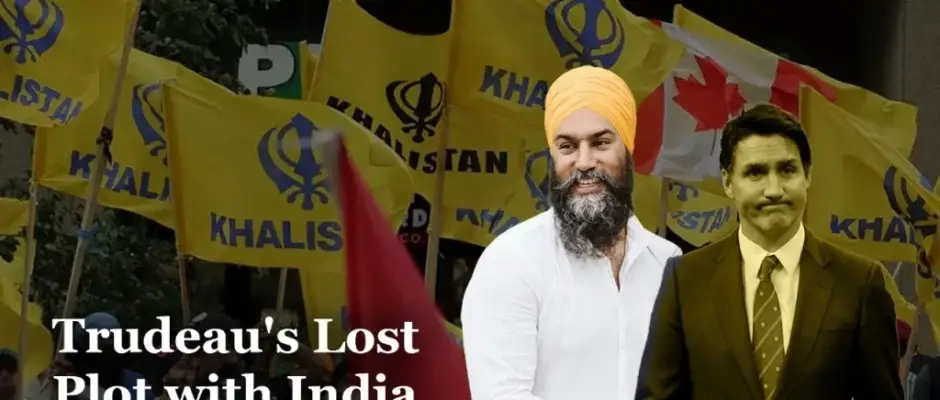
Freedom of Expression or License to Incite? A Close Look at Khalistan Protests

Rohan Following the assassination of Hardeep Singh Nijjar, the leader of the Khalistan Tiger Force, some Khalistan supporters have made unsubstantiated allegations insinuating the involvement of Indian authorities in his murder. Consequently, a few Khalistani hardliners have disseminated a threatening poster displaying photographs of notable Indian diplomats based in the UK: High Commissioner Vikram K Doraiswami and Council General Dr Shashank Vikram. Additionally, the banned organization Sikh for Justice has released a poster featuring High Commissioner Sanjay Kumar Verma and Counsel General Smt. Apoorva Shrivastava, accompanied by the phrase “Killers in Toronto.” This poster suggests that “Kill India” is the actual moniker of the extremist movement associated with Khalistani factions. During a press briefing, Mr Arindam Bagchi, the spokesperson for the Ministry of External Affairs of India, voiced a steadfast and decisive response, declaring, “the dissemination of posters promoting violence against Indian diplomats and diplomatic establishments abroad is deemed unacceptable. We unequivocally condemn such actions in the strongest possible terms.” Mr Bagchi emphasised that the Indian government has taken stringent measures to address this issue by liaising with authorities from Canada, the United States, the United Kingdom, and Australia, expressing the seriousness of the situation and soliciting their cooperation in tackling the problem of menacing posters distributed by Khalistani operatives. In a show of solidarity for Nijjar, individuals linked with Khalistani extremism have staged protests in front of Indian consulates situated in Canada, the United States, the United Kingdom, and Australia on July 8th. Show of Strength Fizzles Out The expected Khalistan rallies, instigated by extremist elements backed by Pakistan, outside Indian consulates in Canada, Australia, the United Kingdom, and the United States, have conclusively shown their lack of influence. These protests were organised in the wake of the infamous “Kill India” poster’s dissemination by Khalistani extremist factions operating in Western countries. The gatherings saw a minimal presence of Khalistan supporters. Based on video footage of the events, the maximum number of protesters noted in Surrey, British Columbia, Canada, was roughly 20, with the turnout in Toronto being marginally higher. In San Francisco, a procession of about 15 vehicles crossed the Bay Bridge and gathered in front of the Indian consulate. In Australia, a handful of protests occurred outside the Indian consulate in Melbourne. A comparable situation developed in London, where no more than 30 individuals with Khalistani affiliation congregated opposite the Indian High Commission. Despite a substantial police presence, they chanted slogans and delivered speeches for over two hours before dispersing. Counter Protest by Indian Diaspora Despite the inflammatory intentions behind the Khalistani rallies, these gatherings received limited support and faced robust opposition from the Indian community. Particularly in Toronto, the presence of the Indian community overshadowed the Khalistani protesters, thwarting their efforts. Their poorly planned attempt to desecrate the Indian flag was effectively foiled by a courageous individual of Indian origin, underscoring unity and resilience in the face of divisive agendas. The overwhelming response from the Indian community exemplified their steadfast commitment to protecting the Indian consulate and its diplomats from petty criminals backed by Pakistan. Their resonant chants of “Bharat Mata ki jai” (Victory to Mother India), “Vande Mataram” (I bow to thee, Mother), and “Long Live India” echoed with unwavering Indian nationalism. The Indian community showcased maturity and restraint, choosing peaceful means to demonstrate solidarity with India. Notably, the Indian Consulate in San Francisco has been targeted in the past, highlighting the need for enhanced security measures. Members of the Indian diaspora categorically expressed their support for the Indian Consulate and firmly stood against the threats posed by Khalistani elements to Indian diplomats. Freedom of Expression For Whom? Over time, India has consistently appealed to all countries, both collectively and individually, not to provide a platform for separatist elements, cautioning that such actions could affect bilateral relations. However, despite these appeals, the United States, Canada, the United Kingdom, and Australia permitted rallies by Khalistani extremists. These countries have contended that their commitment to democracy means they regard freedom of expression as a fundamental value and cannot limit peaceful mobilisation.This raises the question of whether a commitment to democracy extends to permitting terrorists to hold peaceful demonstrations. Are the governments of these countries oblivious to Khalistani terrorist activities, or was this permission deliberately granted? Should Canada forget the tragic Kanishka bombing? Should the world forget the heinous act that took the lives of 268 Canadian citizens (many of whom had Indian origins), 27 Britons, and 24 Indians at an altitude of 31,000 feet? Allowing terrorist organisations to protest outside Indian consulates and high commissions jeopardises the safety and security of diplomats. As per Article 79 of the Vienna Convention on Consular Relations of 1963, which covers various aspects of consular relations, host states have a specific duty to take all necessary measures to protect consular premises, prevent intrusion or damage, and ensure the peace and dignity of consular posts. Khalistani terrorists have committed numerous acts of terrorism within and beyond India. Thus, based on freedom of expression, would these countries allow the Islamic State in Iraq and Syria (ISIS) to protest peacefully? They would not. A balanced approach that respects freedom of expression while prioritising the safety and security of individuals and diplomatic missions is needed. Granting permission for protests to extremist organisations undermines democratic principles and sends the wrong message to those involved in violent and extremist activities. Countries must adopt a strong stance against terrorism and extremist ideologies, guaranteeing the protection of all individuals and diplomatic premises. (Author is operations manager at Centre for Integrated and Holistic Studies, non-partisan think tank based in New Delhi)

Read More

U.S.-India Relations Forge New Frontiers with Technology and Defense Deals

Prachi Mishra The recent visit of Indian Prime Minister Modi to the United States resulted in several key technology deals, MoUs, and collaborations. With growing penetration of emerging technologies in the socio-economic-political and security fabric of nation states, it is imperative for global leaders to come together and work on challenges that impact everyone. The bilateral ties between the United States and India have taken a significant leap forward with Prime Minister Narendra Modi and President Joe Biden unveiling a series of groundbreaking technology and defense agreements. During his address to the joint session of the U.S. Congress, PM Modi emphasised the global benefits of collaboration on semiconductors and critical minerals, highlighting the role it plays in enhancing the resilience and diversity of supply chains. With defense cooperation blossoming over the years, the United States has emerged as one of India’s key defense partners. Former diplomats and analysts are optimistic about the future of this relationship, foreseeing strengthened ties and more lucrative deals on the horizon. Atul Keshap, President of the U.S.-India Business Council and former charge d’affaires at the U.S. Embassy in New Delhi, expects the expansion to extend to military agreements, heralding positive outcomes for both nations, democracy, and the Indo-Pacific region as a whole. The remarkable scope of the announced deliverables has impressed observers and sparked confidence in the trajectory of U.S.-India relations. Some key highlights are showcased below; Institution building – Both President Biden and Prime Minister Modi agree that as their collaboration grows, technology will become increasingly important.  The founding of the Initiative on Critical and Emerging Technology (iCET) in January 2023 was welcomed by the leaders as a significant turning point for relations between the United States and India.  They urged institutions of higher learning, corporations, and governments to carry out their common goal for the strategic technological partnership.  The leaders reaffirmed their commitment for the United States and India to support an open, approachable, safe, and trust-based digital ecosystem that upholds their shared ideals and democratic institutions. Space – By the end of 2023, NASA and ISRO will have created a strategic plan for working together on human spaceflight. Indian astronauts will receive advanced training at NASA’s Johnson Space Center in Houston, Texas, with the intention of staging a cooperative mission to the International Space Station in 2024. This news was applauded by both the US and India. The NASA-ISRO Synthetic Aperture Radar (NISAR) satellite was sent to the U.R. Rao Satellite Center in Bengaluru, India, and NISAR’s launch from India in 2024 was anticipated.  The leaders praised India’s Space Policy – 2023 and urged greater commercial cooperation between the American and Indian corporate sectors along the full value chain of the space economy, as well as to resolve export restrictions and promote knowledge transfer. The Artemis Accords, which establish a shared vision of space exploration for the benefit of all humanity, were signed by India, and President Biden was very grateful for this.  Tech trade – Both India and the US applauded the interagency-led Strategic Trade Dialogue’s commencement in June 2023 and instructed both parties to make ongoing efforts to resolve export restrictions, look for measures to boost high technology trade, and ease technology transfer between the two nations. Semiconductors and supply chains – A Memorandum of Understanding (MoU) on Semiconductor Supply Chain and Innovation Partnership as a significant milestone in coordinating the semiconductor incentive programs of India and the US was highly talked about. This will support the growth of commercial possibilities, research, talent, and skills. The decision of Micron Technology, Inc. to work with the Indian government to invest up to $825 million in the construction of a new semiconductor assembly and testing plant in India was applauded by the leaders. Up to 5,000 new direct jobs and 15,000 community work possibilities might be created over the course of the next five years thanks to the joint investment, estimated at $2.75 billion. The leaders also praised Lam Research’s proposal to expedite India’s aspirations for semiconductor education and workforce development by training 60,000 Indian engineers through its Semiverse Solution virtual manufacturing platform, as well as a statement from Applied Materials. Telecom – Two Joint Task Forces on Advanced Telecommunications were established by the leaders, with a focus on Open RAN (O-RAN) and research and development in 5G/6G technologies. The Bharat 6G Alliance in India and the Next G Alliance in the United States will be in charge of the public-private collaboration between vendors and operators. With the support of funding from the U.S. International Development Finance Corporation (DFC), both India and the US are collaborating on Open RAN field trials and rollouts, including scaled deployments, with operators and vendors from both markets. The leaders praised Indian businesses’ involvement in the American “rip and replace” program. They supported an ambitious plan for 6G networks that called for collaboration on standards, easier access to chipsets for system development, and the creation of cooperative R&D initiatives. Quantum tech – The creation of a joint Indo-U.S. Quantum Coordination Mechanism to promote cooperation between business, academia, and government, as well as their efforts to reach a comprehensive Quantum Information Science and Technology agreement, was hailed by President Biden and Prime Minister Modi. The Quantum Economic Development Consortium and the Quantum Entanglement Exchange both warmly welcome India’s involvement in order to promote professional and business interactions with other prominent, quantum-minded countries. Programs for quantum training and exchange will be maintained and expanded, and the US and India will endeavour to remove obstacles to cross-border scientific cooperation. The leaders hailed the start of a $2 million grant program under the U.S.-India Science and Technology Endowment fund for the combined research and commercialisation of quantum technologies and artificial intelligence (AI), and they urged public-private partnerships to develop these technologies. Science collaborations – The leaders welcomed 35 creative joint research initiatives in emerging technologies that were supported by the Indian Department of Science and Technology (DST) and the American National Science Foundation (NSF). Together, the NSF and DST will

Read More

Sino-India Relations: Clashes and Dynamics

Rohan Giri The aggression by the Communist Party of China (CPC) through the People’s Liberation Army (PLA) along the Indian border has been a source of tension between India and China. The CPC’s activities encompass infrastructure development, PLA buildup, and territorial assertions. One particular area of contention in the ongoing border contentions between the China and India is the Pangong Tso glacial lake region, which stretches across eastern Ladakh and western Tibet. In the aftermath of the violent clash in the Galwan Valley in 2020, both nations have notably escalated their respective regional infrastructure development endeavours. In recent years, the CPC has actively pursued infrastructure projects along the Line of Actual Control (LAC), with a particular focus on the Pangong Tso glacial lake area. Notably, one significant development is the construction of a bridge that spans the glacial lake, linking the north and south banks. This bridge holds significant strategic value for the CPC, as it improves connectivity and enables the smooth movement of military assets. Moreover, the CPC has successfully completed the construction of a second bridge and is currently working on establishing road connectivity along the south bank leading to Shandong village. Moreover, the CPC is currently undertaking the construction of a 22 km-long tunnel along the G-0177 expressway in Yuli, which will serve as a crucial link to the G-216 highway in Tibet. These infrastructure projects clearly demonstrate the CPC’s unwavering commitment to strengthen its presence and enhance its military capabilities in the region. The aggressive development pursued by the CPC is consistent with its regional ambitions and the aim to extend its influence and control over strategically important areas along its boundaries with India. This approach enables the CPC to assert power and establish dominance in border regions, potentially curtailing India’s influence. Moreover, these developments reinforce China’s publicised  military capabilities and fortify border security, safeguarding its territorial claims and perceived national interests. However, India has also responded strongly to curtail China’s influence by actively engaging in infrastructure development initiatives in the Pangong Tso area. India has placed significant emphasis on enhancing road networks, establishing advanced landing grounds, and implementing other infrastructure projects. Construction work is currently underway to create an alternate axis to the crucial Darbuk-Skyok-Daulat Beg Oldie road, further improving connectivity and mobility in the region. The construction activities undertaken by the CPC have not only provoked India but have also necessitated the development of infrastructure in response. These infrastructure developments by both the China and India have resulted in a permanent alteration of the status quo in the Pangong Tso area. The construction of the bridge by the CPC and the black-topped road by India signify their respective efforts to consolidate their presence and enhance their military capabilities in the region. These infrastructure developments underscore the importance of constructive dialogue to prevent further escalation of tensions and uphold regional stability. The CPC is confronted with border tensions on multiple fronts as a result of its aggressive infrastructure development and encroachment policies. One notable area of contention is the South China Sea, where CPC’s territorial claims, represented by the nine-dash line, clash with the claims of neighbouring countries such as Vietnam, the Philippines, Malaysia, Brunei, and Taiwan. These conflicting claims have sparked maritime disputes, heightened tensions, and escalated military presence in the region. Furthermore, in the Taiwan Strait, CPC regards Taiwan as an integral part of its territory and has not ruled out the use of force to achieve assimilation. The Taiwan Strait remains a potential hotspot, with CPC intensifying military activities and conducting drills near the self-governing island. This situation has strained cross-strait relations and attracted the attention of regional and global powers. In the Himalayan region, the CPC has long-standing border disputes with neighbouring countries, including India, Bhutan, and Nepal. The Chinese shallow and illegal claims in border areas have been vehemently contested, leading to CPC’s frustration leading to standoffs in the region. In addition to the aforementioned disputes, the CPC and Japan have a territorial disagreement concerning the Senkaku/Diaoyu Islands in the East China Sea. Both nations assert sovereignty over these islands, which has resulted in frequent standoffs and heightened military presence in the region. The CPC’s claims and actions have raised substantial concerns among numerous countries. The construction of artificial islands, the militarisation of certain features, and assertive behaviour in disputed areas have prompted questions regarding the CPC’s intentions and its adherence to international norms. Thus, the CPC’s approach demonstrates a non-conformist mindset characterised by engaging in illegal infrastructure development, encroaching upon contested territories, and violating the sovereignty of other nations. An illustrative instance of this behaviour is observed in the South China Sea, which serves as a prominent example of a disputed territory. In this region, the CPC has undertaken the construction of artificial islands and the establishment of military installations in areas that are claimed by multiple countries. These actions have significantly heightened tensions and disputes with neighbouring nations, and have cast doubts on the CPC’s adherence to international laws and agreements, notably the United Nations Convention on the Law of the Sea (UNCLOS). Coming back to intricate dynamics of Sino-India relations, which are characterised by complexity and nuance. It is important to maintain realistic expectations regarding the stability of the relationship, considering the long-standing territorial disputes between the two nations. The CPC’s failure to adequately address these disputes contributes to the ongoing instability in their bilateral ties. Additionally, both the China and India hold significant regional power status, and their geopolitical and strategic interests often intersect, leading to competition and conflicting priorities. Both countries are experiencing rapid economic growth and play prominent roles in the global marketplace. This economic competition, particularly in sectors such as manufacturing and technology, can strain their bilateral relations. Issues such as trade imbalances, market access, and protection of intellectual property rights further contribute to the complexities and potential frictions between them. India’s impressive economic growth positions it as a potential future global powerhouse. With its dynamic and youthful workforce, expanding middle class,

Read More

French culture, core values under threat!

Entire Western Europe face challenges in integrating refugees & immigrants that are mostly Muslims, forging diverse & united society Rahul Pawa In the wake of tragic police shooting of Nahel M., a seventeen-year-old teenager of Algerian-Moroccan heritage in the Parisian suburb of Nanterre on Tuesday, June 27, 2023, French Republic finds itself engulfed in a tempestuous storm of violent protests, as impassioned demonstrations, riots, and looting cascade through its streets. Against backdrop of persistent allegations of entrenched discrimination, this surge of violent events has cast a stark light on disconcerting societal fissures that run deep within French Republic. More-so, the untimely demise of teen delivery driver Nahel during a routine traffic stop, serves as a poignant reminder of the profoundly intricate and multifaceted predicament that now grips the nation. Evoking disquieting parallels to haunting events of three-week-long 2005 French riots, during which police actions resulted in the tragic deaths of two immigrant teenagers who sought refuge in an electrical substation, tensions surged again. Discrimination and police harassment in impoverished immigrant residential areas resurfaced as pressing concerns, casting a shadow over societal harmony. Meanwhile, President Emanuel Macron’s sudden departure from critical discussions within European Union (EU) regarding Russia -Ukraine conflict, coupled with his government’s contemplation of a potential declaration of emergency, leaves France teetering on the precipice of uncertainty. Gravity of the situation cannot be overstated: France, along with several other Western European nations, is facing an ongoing crisis in terms of integrating immigrants and refugees. This crisis is exacerbated by a significant loss of trust within society, intensifying an already unstable situation and sparking tensions with far-reaching consequences. Recent discourse on demise of the teen delivery driver Nahel has centered around French immigration and refugee protection and return elucidating a wide spectrum of perspectives on crucial themes of discrimination, integration and cohabitation. France, renowned for its opulent cultural heritage spanning the realms of art, literature, music, fashion, cuisine, and philosophy, occupies an eminent position on the global cultural stage. Nevertheless, the nation has faced challenges in effectively assimilating diverse populations and nurturing a sense of unity. A study commissioned by France’s national statistics agency, INSEE, has revealed that immigrants comprised approximately 10.3% of the population in 2021, amounting to nearly seven million individuals. This figure signifies an increase when compared to 6.5% of foreign-born residents in 1968. Migration has played momentous role in shaping the multifaceted tapestry of the country with approximately a third of the citizenry having a connection to immigration across three generations. In recent years, immigrants from former French colonies in North Africa, sub-Saharan Africa, and Asia have constituted a significant contingent within the immigrant community. Significantly, a substantial portion of immigrants in France hail from Algeria, accounting for over 12% of the immigrant population. Similarly, around 12% of immigrants come from Morocco, while approximately 4% originate from Tunisia. Additionally, there is a notable influx of immigrants from Portugal, comprising over 8% of the total, followed by Italy at 4%, Turkey at more than 3%, and Spain at approximately 3%. Interestingly, women make up the majority of these immigrant communities. It is worth noting that many immigrants have chosen to settle in major urban centres including capital Paris, where nearly one-fifth of the population embraces their immigrant heritage. Despite this significant presence, it is intriguing that France’s immigration rates remain lower than the European average, lagging behind countries like Germany and Spain. The rise in immigration can also be attributed to challenges faced by the European Union (EU) during the refugee crisis that began in 2015. As part of the EU’s collective response to the crisis, member states, including France, agreed to accept a specific number of refugees based on a quota system. These quotas are determined collectively, considering factors such as the country’s population size, GDP, and capacity to integrate and support refugees. Based on available data and estimates, it is reported that as of December 31, 2020, the French Office for the Protection of Refugees and Stateless Persons (OFPRA) identified 455,295 refugees and individuals under other forms of international protection in France. The complexities surrounding immigrant integration extend beyond mere numbers and require a concerted effort to foster inclusivity, provide adequate support systems, and ensure equal opportunities for all members of society. Although France has made progress in addressing these challenges, there is still much work to be done to bridge the gaps and create a cohesive society that embraces diversity while upholding the principles and values that define French culture. Within this landscape, divergent viewpoints emerge, with some advocating for strict assimilation, emphasizing French national identity and values, while others champion a more pluralistic approach, extolling the worth of cultural diversity and the recognition of different identities. These contrasting perspectives reflect broader conversations about finding equilibrium between preserving French cultural heritage and embracing the multicultural reality of a globalised world. The concept of “coexistence” remains nuanced and ever-evolving within French society, requiring sustained dialogue, understanding, and efforts to bridge divisions and foster an inclusive and harmonious environment for all. Nevertheless, France has faced a multitude of contentious issues throughout its recent history, encompassing critical matters such as cultural identity, religious expression, and social integration. These conflicts arise from cultural disparities and conflicting ideologies. Samuel Huntington’s theory of a ‘clash of civilisations’  suggests that divergent cultural and religious beliefs among civilisation’s could lead to strife and disharmony. In the French context, this clash has taken various forms, particularly concerning the integration of Muslim immigrants. Over the years, the French society has been subject to intense debates regarding religious practices, secularism, democracy and the role of Islam within French society. One key point of contention revolves around the delicate balance between the Islamic way of life and French liberal ethos. Incidents of alleged discriminatory practices targeting racial and religious minorities, including unjust arrests, harassment, and excessive use of force, have eroded trust among immigrant communities and perpetuated a perception of discrimination and inequality in French society. While French legislation, such as the 2004 law prohibiting

Read More